I was sitting next to a bed. The patient was old enough to have kids my age. She’d had a rough night. She wanted to talk to the priest, but I would do for now.
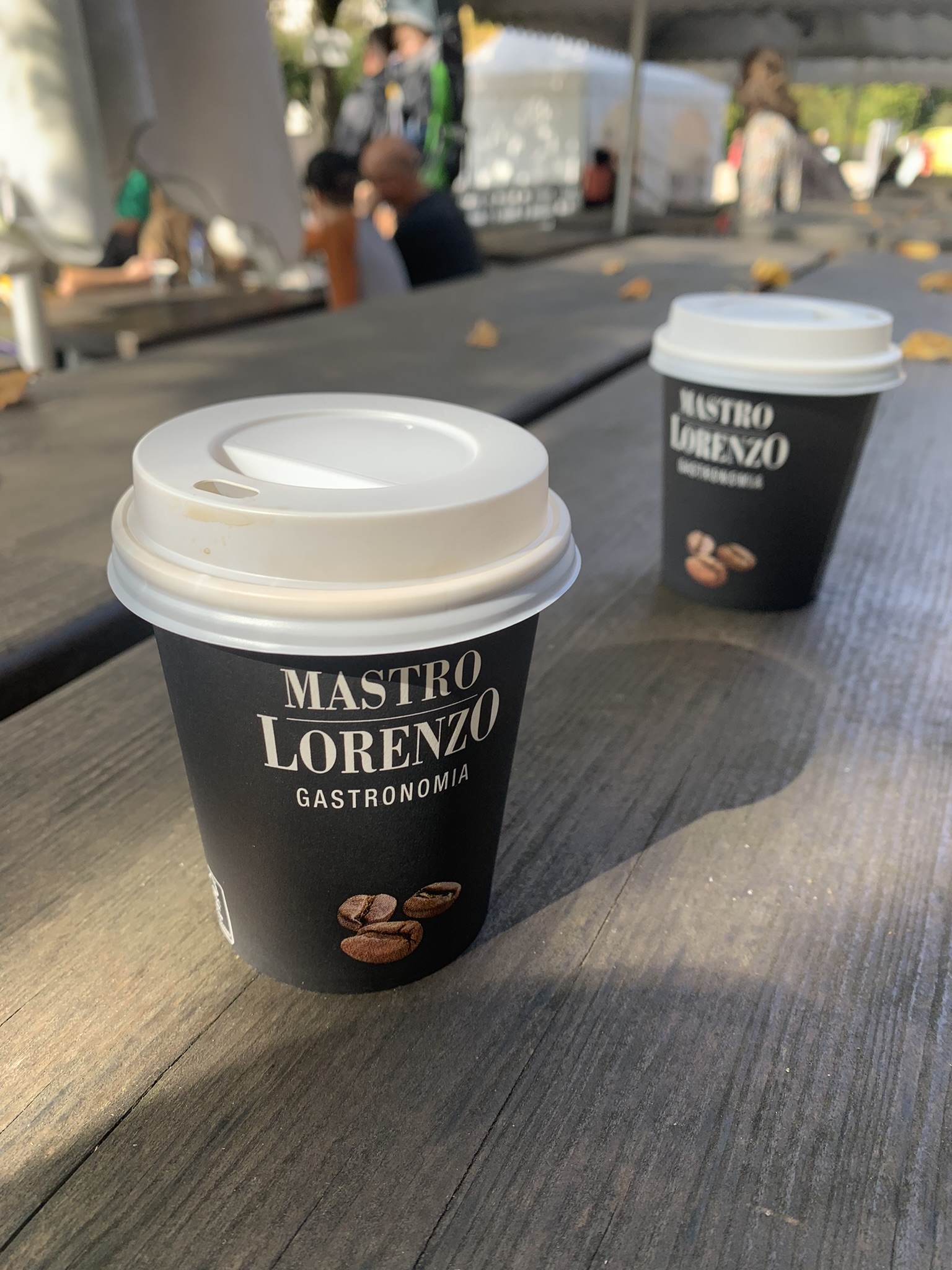
As we were visiting, a man walked into the room, one of her sons.
He greeted me, looked at his mother and asked, “Would you like some coffee?”
“Am I dead?”
“No.”
“Then I’d like some coffee.”
“But not this stuff,” she said, pointing to the table over her bed.
There wasn’t a tray there at the moment, but she wasn’t hallucinating. We all knew what she meant.
She wanted real coffee, not what they serve in the Heart Institute on patient trays to people who are worried about living longer.
When he left on his mission, she explained. She’d heard the conversations during the night, adjusting medications, wondering whether she was going to make it til morning. She did, of course, though she only had a couple mornings left. But even in her last days of her last hospitalization, she was not abdicating her role as matriarch in her family. She was teaching her family how to live: acknowledging death, comfortable with God, appreciating life.
I’ve walked the halls since that morning years ago with some of that practicality.
“Am I dead yet? No? Then I’d like some coffee.”
But if I’m nearly dead, it might as well be good.
 300 words a day
addies@shaw.ca
Amen to that!! God bless you, as you beg
LikeLike
Jon Swanson
I’m guessing you meant begin. And thank you!
LikeLike